



Digital Marketing for Ecommerce Startup: Tips to Grow Smarter Online
- Jennifer Victoria Garrucho

- May 28, 2025
- 6 min read
Updated: Nov 26, 2025

Launching your ecommerce startup is exciting, but success doesn't stop at setting up a beautiful website. Without clear digital marketing strategy, your products won't get discovered, clicked, or purchased.
In this guide, I'll walk you through proven digital marketing strategies for ecommerce startups—from SEO and content to email and paid ads.
To get your products discovered, clicked, and purchased, you need a strategy that delivers real results and doesn't rely solely on having a good-looking website.
As a digital marketing specialist and founder of JVG Digital Solutions, I help startups grow through strategic content, SEO, and targeted campaigns.
This guide covers the key areas you should focus on to start strong and grow steadily.
Every effective digital marketing strategy for ecommerce startups begins with understanding your target audience.
If you haven't created a customer persona yet, start by defining your ideal customer's demographics, interests, and buying behaviors. This helps you craft content that feels personal and targeted.
1. Know Your Audience
One major mistake new businesses make? Trying to speak to everyone. Instead, get clear on who you're selling to.
Start by figuring out who your target audience is. Look at things like:
• Demographics – age, gender, location, education level, income
• Psychographics – interests, values, habits, and how they shop

Next, go a bit deeper. What problem are you helping them solve? What kind of content do they enjoy? Which platforms do they use the most?
Once you have a clear picture, create a sample customer—this is called a persona. Give them a name, a job, a daily routine, and a few challenges or goals. This helps you write content that feels like it’s made just for them.
2. SEO for Ecommerce Startups: How to Build a High-Performing Website
Your website is often the first thing people see about your brand. Make sure it loads fast, is easy to use, and shows up in search results when people look for what you offer.
SEO stands for Search Engine Optimization. It means improving your website so it appears higher in search results when people look for products or services like yours.
Keywords are the words or phrases people type into Google when searching. You want your website to utilize these keywords effectively so it appears for the right audience.
Using the right types of keywords ensures your ecommerce website shows up when customers are actively searching.
Types of keywords:
Short-tail: Broad terms like "shoes" (high traffic, low precision)
Long-tail: Specific phrases like "affordable running shoes for flat feet" (lower traffic, higher precision)
Transactional: Show buying intent, e.g., "buy leather tote bag"
Informational: People looking to learn, e.g., "how to clean suede shoes"
To optimize your website:
Use keywords naturally in titles and descriptions
Write short summaries (meta descriptions) that describe each page
Make your site mobile-friendly and quick to load
Use text descriptions for images (called alt text)
Link between related pages on your site
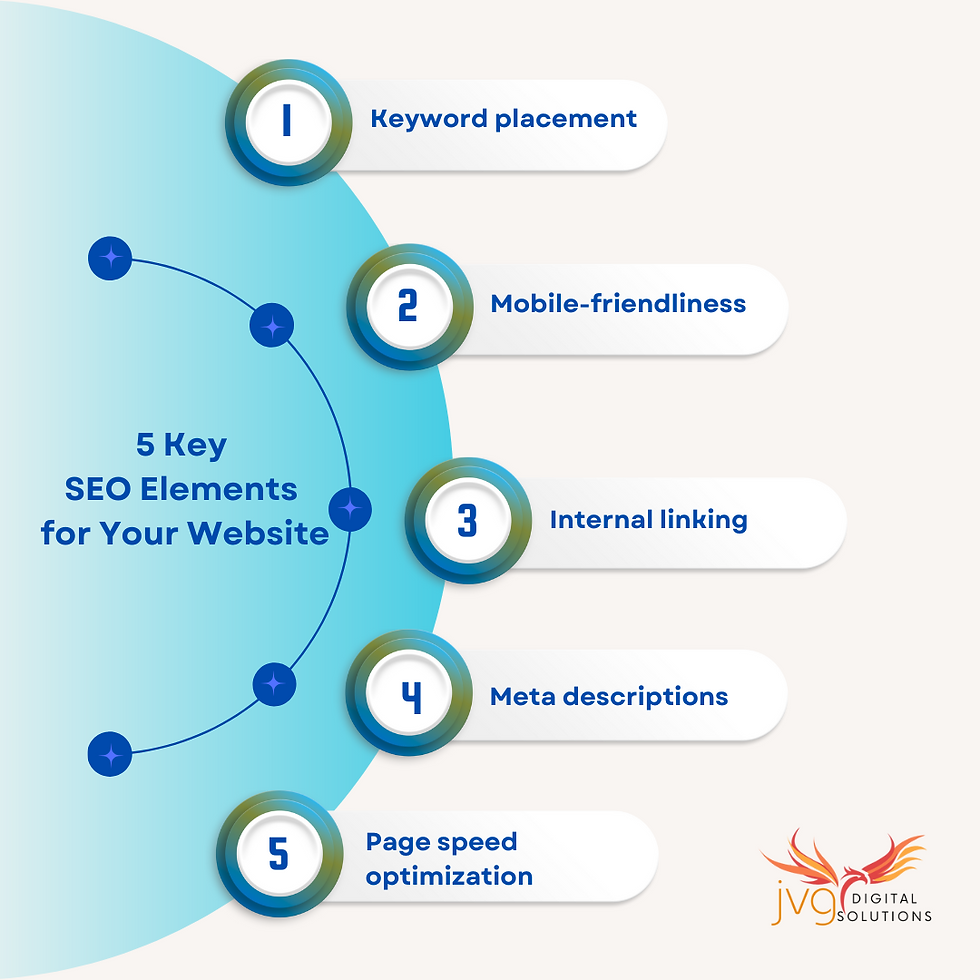
Note: SEO isn’t a one-person job. In many companies, it’s a shared effort between the marketing team, IT, and content creators. For example, keyword research and writing may be handled by a specialist, while developers work on page speed and mobile usability. Collaboration is key to building a strong, SEO-friendly website. This topic will also be discussed in further detail in upcoming blogs.
Tip: Semrush is a powerful tool that helps you identify the best keywords for your industry. It isn't free, but it provides excellent value if you're serious about growing your traffic.
3. Create Content That Converts
Content marketing is a key pillar of digital marketing for ecommerce startups. It builds trust, educates, and drives conversions. It's about educating and guiding your customers—not just selling.
Common content formats:
Written - Blogs (short, informal), Articles (longer, research-based), Listicles (easy-to-read lists)
Image-based - Photos, GIFs, infographics
Audio - Podcasts, audiobooks, short audio ads
Video - Tiktok and Youtube videos
Creating helpful content builds trust and keeps visitors coming back. While audio and video content play a significant role in engagement, this guided focuses on written and visual content. They are foundational elements every commerce brand should master.
Here’s a Simple Framework to Create Content
1. Conceptualize - Think about what your audience is asking. Look at FAQs, reviews, or trending topics.
2. Plan - Align your content with business goals (for example, increasing product sales this quarter).
3. Execute - Create the actual content: write, design, or record based on your plan.
4. Review and Edit - Make sure the information is accurate. Edit for grammar and clarity. Use keywords naturally.
5. Organize - Store your content in one place, like Google Drive, so it’s easy to access.

Best practices when writing:
Remember to match your tone with that of your brand
Keep your content short and easy to understand
Use strong, action-driven phrases (e.g., “Shop now”)
Mention relevant collaborators or tools
Use hashtags that are simple and relevant
Source: HubSpot, The Ultimate Guide to Content Creation, https://blog.hubspot.com/marketing/content-creation
These content strategies are essential parts of a strong digital marketing plan for ecommerce startups. When paired with SEO and visuals, they help build trust and drive real engagement.
4. Make Your Content Visual
Visual content––such as images and infographics––boosts ecommerce engagement and helps your marketing messages stand out online.
Studies show that:
Posts with images produce 650% higher engagement than text-only posts on platforms like Facebook (source: MDG Advertising)
90% of information transmitted to the brain is visual
People process visuals 60,000 times faster than text
Content with relevant images gets 94% more views than content without
Source: Thermopylae Sciences + Technology / Brain Rules by Dr. John Medina
That’s why using clear images and well-made infographics matters. They make your content easier to read, highlight key points, and help people remember what they’ve seen. People are more likely to share your posts when they include visuals.
5. Nurture Leads with Email Marketing
Email marketing is one of the most effective digital marketing tools for ecommerce startups. It builds long-term relationships and drives repeat sales.
Start simple:
Welcome new subscribers
Send a follow-up if someone leaves items in their cart
Share limited-time deals
Build a strong strategy with these 4 steps:
1. Segment your audience - Send the right message to the right people. Avoid mistakes like sending a "thank you for purchasing" email to someone who hasn't made a purchase.
2. Personalize - Use their name and tailor the message based on their behavior (such as showing them products they've viewed).
3. Call-to-action (CTA) - Tell people what to do next. Examples: "Sign up now", "Shop the sale", "Get the guide"
4. Measure results:
Open rate - Percentage of people who opened the email
Click-through rate - Percentage of people who clicked a link
Bounce rate - The percentage of emails that aren’t delivered. Hard bounces mean the email address is invalid, while soft bounces usually mean the inbox is full.
Understanding these numbers helps you improve your subsequent email campaigns.

Bonus tips for success:
Be clear about your goal—are you raising awareness, making sales, or offering support?
Pick the correct type of email to send, whether it’s a simple update or a follow-up after a purchase
Plan when and how often to email so you don’t overwhelm your audience
Give your subscribers something useful, like tips, special offers, or early access
What Makes Digital Marketing for Ecommerce Startup Success Different
Ecommerce startups face unique challenges: limited budgets, high competition, and the need to stand out fast. That's why your digital marketing approach must be more intentional. From SEO to email campaigns, your strategy should focus on visibility, trust, and conversions. It needs to be fast, but sustainable.
6. Paid Ads for Ecommerce Startups: How to Test and Scale
Once your SEO and content are in place, paid ads can help you scale faster when done strategically.
Begin with:
Small test budgets
Targeted audiences based on behavior and interests
Testing different visuals and messages
Track these metrics:
Page views - Count how many times people view a page
Sessions - Each visit to your site
Bounce rate - Visitors who leave after one page
Conversion rate - People who take action (like making a purchase)
Close rate - Leads who become customers
CPC (Cost per click) - What you pay for each click
CPM (Cost per 1,000 impressions) - What you pay for views
CPA (Cost per acquisition) - What you pay to get a customer
The more data you track, the better decisions you can make for future campaigns.

Frequently Asked Questions
Q: What’s the best digital marketing strategy for ecommerce startups?
A: Focus first on SEO and content creation, then use email and paid ads to scale as your traffic grows.
Q: How much should a startup spend on ads?
A: Start with a small test budget: ₱5,000 to ₱10,000/month, then adjust based on performance.
Strong Foundations: Building a Smart Digital Marketing Strategy for Ecommerce Startups
You don’t need to master everything overnight. Focus on the basics: understand your audience, create content that answers real questions, build a strong SEO foundation, and nurture relationships.
At JVG Digital Solutions, I specialize in digital marketing for ecommerce startups. I do this through SEO, content strategy, and high-converting messaging.
Ready to turn your website into a growth engine? Book your strategy session today.


